
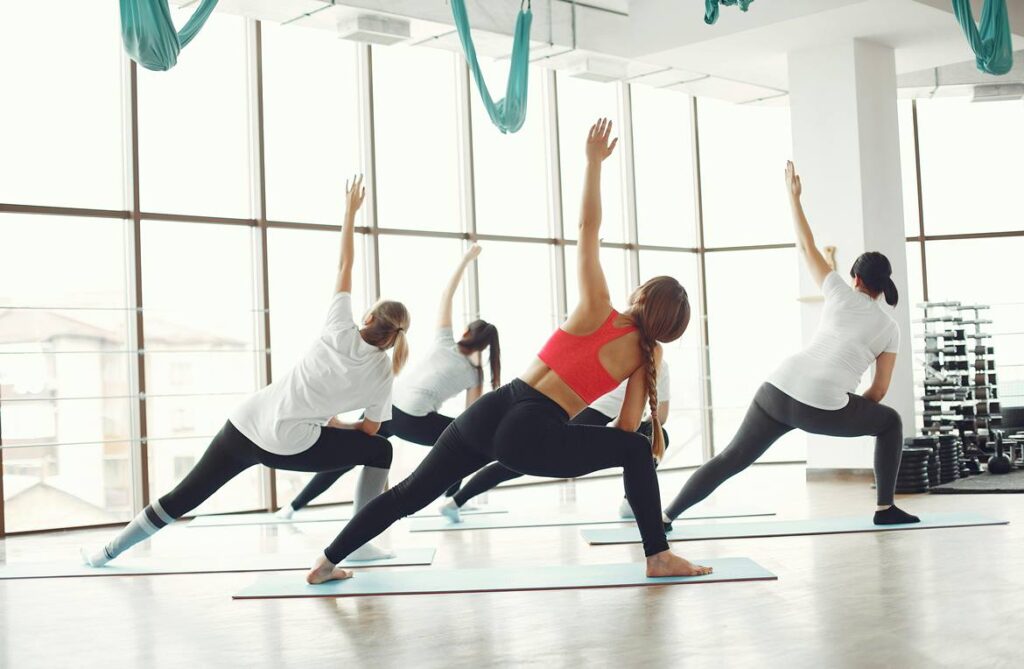
Somatic exercise offers a unique approach to improve health condition and fitness. This practice integrates mind and body to relieve pain, and enhances body awareness. This exercise is also becoming a useful tool for weight loss, increasing understanding of body sensations. Somatic exercises are more deliberate than traditional workout, and support a sustainable weight loss journey. Somatic exercise for weight loss pays attention to internal sensations and enables more mindful movements to reduce body fats gently. In general, somatic exercises bring unconscious muscle patterns into conscious awareness to overcome physical issues and challenges. It promotes overall well-being and improves physical conditions.
How it works
Somatic exercise for weight loss educates you to do workout with greater intention. This mindfulness attunes body signals to the habits directly related to the weight loss intentions. This will help you to prevent overeating and sedentary lifestyle.
Somatic exercises foster effective movement, and train muscle patterns for better posture and advanced physical activities. Further, this improved muscle function enhances workout performance and burn extra fats of the body. Somatic exercise for weight loss may not burn as many calories as vigorous workout but they can improve the efficiency of your movements. In short, these exercises boost metabolism to burn fats.
Somatic exercises emphasize on quality work and encourage a holistic approach to promote a more sustainable approach to weight loss. This practice reduces the factors of weight gain rather than prioritizing weight loss through unhealthy ways or unsustainable practices.
Types of somatic exercises
Somatic yoga is a common form of somatic exercises. It combines traditional yoga exercises with somatic principles of mindful movements. This practice improves flexibility, creating a deeper connection between the mind and body.
Second, the Feldenkrais Method is also a form of somatic education; its gentle movement sequences improve unconscious muscle patterns and enhance fitness routine.
Another type of somatic exercise for weight loss, called pandiculation, was developed by Thomas Hanna. This act of stretching focuses on relieving chronic muscle tension. Actually pandiculations relax our muscles and keep our body structure intact.
Similarly, Pilates, a low impact exercise, is combined with somatic principles to gain body alignment and flexibility. Its continuous practice keeps body weight in control and improve mood as well.
Moreover, ancient Chinese yoga practices connect body and mind to reduce stress and to improve posture. It is evident that these exercises enhance overall physical and mental well-being significantly.