
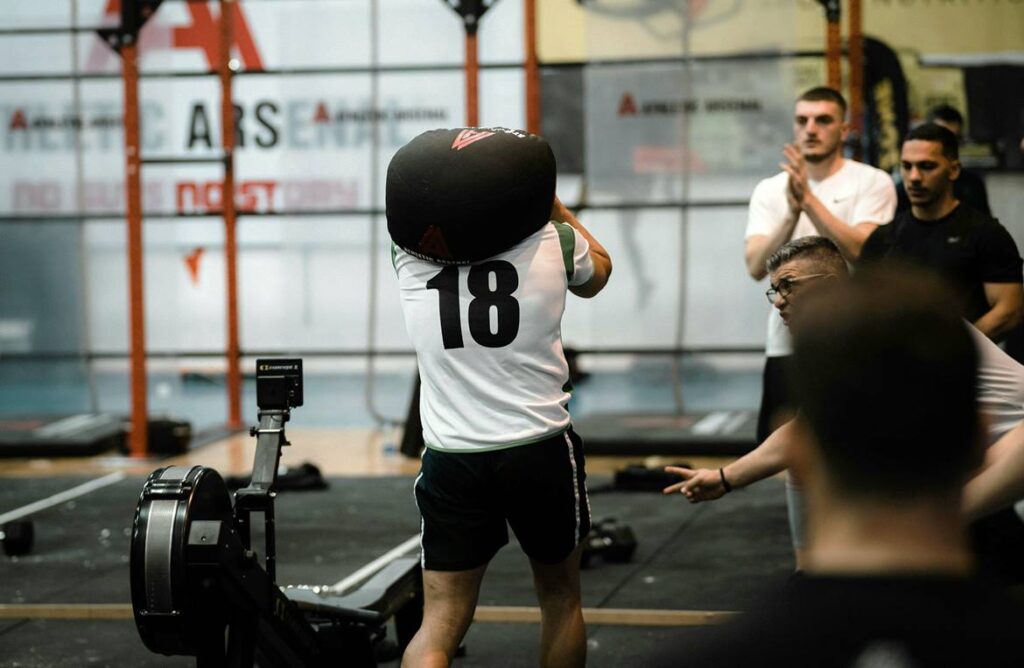
New tools and training techniques are making workouts more versatile. They offer simple yet effective solutions for improving fitness and building strength. In this blog, we’ll introduce one such training tool, sandbag workout, that is excellent for both seasoned athletes and beginners alike.
A sandbag workout involves using a weighted bag filled with sand to perform a variety of strength exercises. It offers a unique and highly effective training experience by engaging stabilizer muscles and maintaining strength. The shifting weight of the sand creates a more functional and challenging workout compared to traditional equipment. Sandbag workout also supports metabolic conditioning and would be beneficial during the rehabilitation process.
Benefits of Sandbag Workouts
1. Functional Strength Development
While traditional equipment works in a fixed plane of motion, unstable sandbags force your body to adapt constantly. The result is functional strength that prepares you for everyday activities. You enjoy playing with kids and feel comfortable doing shopping and groceries or moving furniture at home.
2. Improved Core Stability
Because the sand inside the bag moves as you do, your core has to work harder to stabilize your body. Similarly, training multiple muscle groups simultaneously helps develop balanced muscle coordination. Overall, it improves posture and reduces risk of injury.
3. Versatility and Accessibility
Sandbag workouts can be tailored to all fitness levels. You can choose weights and movements to match your capability. The trainings with sandbags also boost aerobic and anaerobic capacity. Moreover, sandbags are portable and can be used anywhere.
Essential Sandbag Workout Equipment
- A sandbag: Available in various sizes.
- Filler bags: Many commercial sandbags come with removable filler bags to adjust weight.
- Quality training surface: Grass, rubber gym flooring, or mats are ideal.
Fundamental Sandbag Exercises
1. Sandbag Deadlift
- Muscles targeted: Glutes, hamstrings, lower back
- How to do it: With feet shoulder-width apart, grab the sandbag with both hands, keeping your back straight. Stand up by pushing through your heels and engaging your core.
- Avoid rounding your back; maintain neutral spine alignment.
2. Sandbag Clean and Press
- Muscles targeted: Shoulders, traps, core, quads
- How to do it: From a deadlift position, lift the bag explosively to chest level (clean) and then press it overhead.
- Use the hips for power during the clean phase to reduce strain on your shoulders.
3. Sandbag Bear Hug Squat
- Muscles targeted: Quads, hamstrings, glutes, core
- How to do it: Hold the sandbag tightly against your chest and perform a standard squat.
- Keep your chest upright and knees tracking over your toes.
4. Sandbag Rows
- Muscles targeted: Upper back, biceps
- How to do it: With the sandbag in front of you, bend at the hips and row the bag to your chest.
- Squeeze your shoulder blades together at the top of the movement.
5. Sandbag Lunges
- Muscles targeted: Quads, hamstrings, glutes
- How to do it: Hold the sandbag in a front-racked or overhead position and step into alternating lunges.
- Keep your torso upright and take controlled steps.
6. Sandbag Carry
- Muscles targeted: Full body
- How to do it: Carry the sandbag for a set distance or time. Variations include overhead, shoulder, or bear hug carries.
- Maintain good posture and avoid leaning to one side.
Tips for Effective Sandbag Workout
- Start light: Especially if you’re new to sandbag training. Focus on form before adding weight.
- Use multiple grips: Switch between neutral, offset, and bear-hug grips to target different muscles.
- Add variety: Don’t limit yourself to traditional movements. Try rotational movements, slams, and get-ups.
- Stay consistent